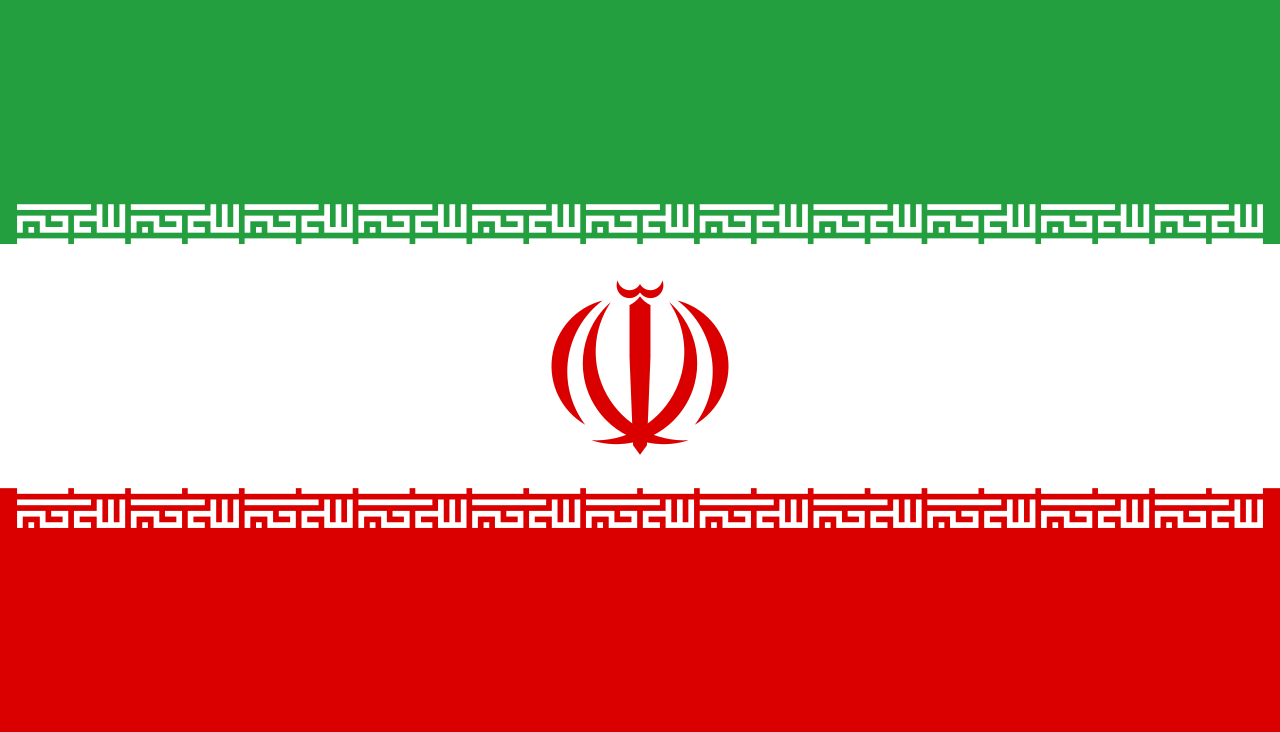
Iran's 2026 World Cup Dilemma: Navigating Geopolitics in the Global Game
As the world's gaze slowly shifts towards the FIFA World Cup 2026, set to be co-hosted by Canada, Mexico, and the United States, an unprecedented geopolitical shadow looms over one of its qualified teams: Iran. The prospect of Iran playing its matches on US soil has become a contentious talking point, fueled by recent regional conflicts and the intricate web of international relations. With the tournament rapidly approaching, the question of whether Team Melli will be able to participate, let alone enter one of the host nations, has become a complex dilemma for football authorities, politicians, and fans alike.
Geopolitical Crossroads: Conflict's Impact on Sporting Aspirations
The recent escalations in the Middle East have directly thrust Iran's participation in the 2026 World Cup into the global spotlight. According to reports, a series of attacks involving the US and Israel targeting Iran, and Tehran's subsequent retaliation, have dramatically heightened tensions. These events, which sadly resulted in significant casualties including prominent figures like Iran's Supreme Leader Ali Khamenei, have created a volatile environment.
This geopolitical turmoil has immediate ramifications for a major international sporting event like the World Cup. For Iran, ranked among the top footballing nations globally, the very act of traveling to and competing in a country with which it shares such strained relations presents a formidable challenge. The idea of Iranian players, coaching staff, and officials entering the United States for matches, while diplomatic relations are at a nadir, is almost unthinkable to some observers. The conflict has created an atmosphere where the basic logistical and security requirements for international travel become insurmountable hurdles, making the dream of `iran play world cup 2026` seem increasingly distant.
Voices from the Field: Federation, FIFA, and Political Stances
The uncertainty surrounding Iran's World Cup status has elicited varied responses from key stakeholders:
* **Football Federation of the Islamic Republic of Iran (FFIRI):** Mehdi Taj, president of the FFIRI, conveyed a palpable sense of dismay. Following the attacks, he told local sports portal Varzesh3, "After this attack, we cannot be expected to look forward to the World Cup with hope." This statement underscores the deep psychological and practical impact the conflict has had on the nation's football leadership, hinting at a potential reconsideration of their involvement. Taj also indicated that "sports chiefs" would ultimately make the final decision.
* **FIFA's Perspective:** The global governing body of football, FIFA, finds itself in a precarious position, attempting to uphold the principle of sport transcending politics. FIFA President Gianni Infantino expressed hope for a more peaceful outcome, stating, "I hope so much, it will be a moment of peace. I hope we can contribute to unite the world a little bit. The world really needs it." While noble, such sentiments face the harsh reality of international geopolitics. FIFA General Secretary Mattias Grafstrom adopted a more cautious tone, noting, "It's premature to comment on it in detail, but of course we will monitor the developments around all issues around the world... our focus is to have a safe World Cup." These statements reflect FIFA's desire to maintain neutrality while acknowledging the serious developments.
* **Political Commentary:** Former US President Donald Trump, weighing in on the issue, adopted a dismissive stance. He told Politico, "I think Iran is a very badly defeated country. They’re running on fumes," adding that he "doesn’t care if Iran participates in the World Cup or not." Such a statement, even from a former leader, highlights the political chasm and the potential lack of enthusiasm from segments of the host nation's political landscape for Iran's presence.
These conflicting viewpoints illustrate the profound dilemma. While FIFA aspires to global unity through sport, the practicalities of a host nation potentially denying entry to a participating team due to severe diplomatic tensions present an unprecedented challenge to the World Cup's inclusive spirit. For a deeper dive into the complexities, read
Why Iran's 2026 World Cup Spot Is in Serious Doubt Amid Conflict.
The Uncharted Territory: Logistical Hurdles and Diplomatic Deadlocks
The prospect of `iran play world cup 2026` within the United States runs into a wall of logistical and diplomatic challenges that experts deem almost insurmountable. Simon Chadwick, a professor specializing in Afro-Eurasian sport at Emlyon Business School, describes the situation as "uncharted territory." He notes the serious doubts surrounding Iran's participation, particularly given the direct armed conflict involving one of the host nations.
Chadwick highlights a critical point: "The US will not be keen to admit [Iranian] players, officials or medics – who normally travel alongside teams to tournaments." Securing visas for an entire delegation, including players, coaching staff, medical teams, and federation officials, would typically be a complex process, let alone under heightened security alerts and intense diplomatic friction. It's "very difficult" to envision the US government facilitating entry for a delegation from a nation with which it is in direct conflict.
The "logistical quagmire" extends beyond mere visas. It encompasses:
- Security Concerns: Ensuring the safety of the Iranian delegation within the US, and managing any potential protests or security risks associated with their presence.
- Travel Restrictions: Direct flights or convenient travel routes between the two nations might be non-existent or heavily restricted, making the journey itself a significant undertaking.
- Political Optics: Both sides would face intense scrutiny over the optics of their interactions. For Iran, participating could be seen as legitimizing an adversary, while for the US, granting entry could be perceived as undermining its foreign policy stance.
Despite these immense hurdles, Chadwick suggests that a withdrawal would not be an easy decision for Iran. The country would "think very long and hard before walking away" from the global stage that the World Cup represents, given its sporting prestige and the hopes of millions of Iranian fans. The internal political ramifications of such a withdrawal would be considerable.
Potential Scenarios and the Road Ahead for Iran's Participation
Given the gravity of the situation, several scenarios could unfold regarding `iran play world cup 2026`:
1.
Last-Minute Diplomatic Breakthrough: While highly unlikely given the current climate, an unforeseen diplomatic detente could potentially ease tensions enough for the US to permit entry. This would likely require high-level negotiations beyond the scope of sport.
2.
Iran's Voluntary Withdrawal: As suggested by experts, Iran might opt to withdraw from the tournament, citing insurmountable logistical obstacles, security concerns, or a political decision not to travel to an adversarial nation. This would be a significant blow to their national team and fanbase.
3.
FIFA Intervention/Exclusion: FIFA is expected to adhere to its principles against political interference in sport. However, if the US genuinely denies visas, FIFA would be forced to address the situation. While directly excluding Iran based on host nation political issues is unprecedented and could set a dangerous precedent, the practical inability of a team to enter the host country leaves FIFA with limited options.
4.
Replacement Team: Should Iran withdraw or be unable to participate, FIFA would face the complex task of finding a replacement. Typically, FIFA regulations might dictate that the highest-ranked team eliminated from Iran's confederation (AFC) during qualifiers, or the next highest-ranked team globally, could take their place. This would be a dramatic and controversial step so close to the tournament. The implications of this are further explored in
Will Iran Play World Cup 2026? Conflict Puts Participation in Doubt.
The decision-making process will undoubtedly involve intense behind-the-scenes discussions between the FFIRI, Iranian political leadership, FIFA, and potentially diplomatic channels. The reputation of the World Cup as a unifying global spectacle hangs in the balance, as does the dream of a nation’s football team.
The dilemma facing `iran play world cup 2026` is a stark reminder of how deeply international politics can permeate even the most cherished global events. While the spirit of sport champions unity and fair play, the realities of geopolitical conflict often present insurmountable barriers. As the 2026 World Cup draws closer, the footballing world watches with bated breath, hoping for a resolution that upholds both the integrity of the tournament and the aspirations of all qualified nations.