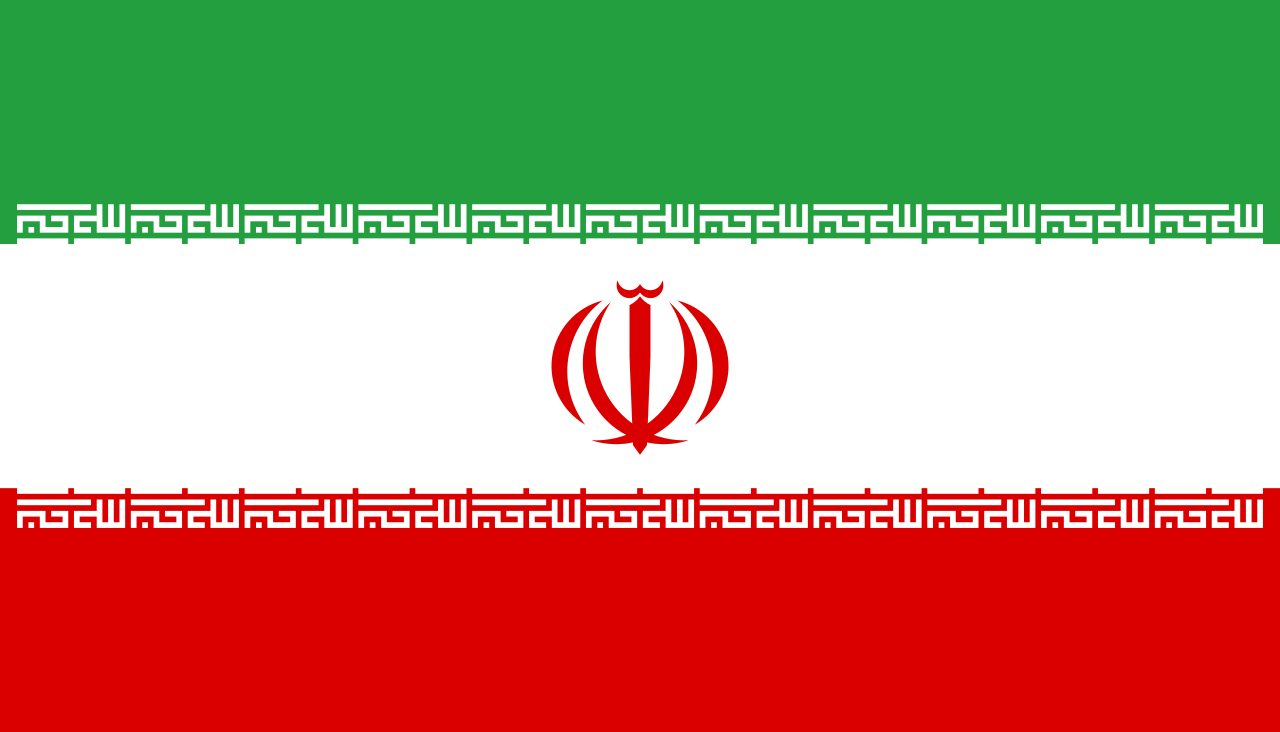
The global spectacle of the FIFA World Cup 2026 promises to be an unprecedented event, co-hosted across Canada, Mexico, and the United States, featuring an expanded format with 48 nations. However, amidst the excitement and anticipation, a significant shadow looms over the participation of one particular nation: Iran. Recent geopolitical escalations in the Middle East have cast serious doubt on whether Iran will play World Cup 2026, sparking widespread debate and concern across the international sporting community.
The ongoing conflict, characterized by direct military actions and heightened tensions between Iran and key international players, including the United States, has thrust the Iranian football team's presence in North America into serious question. As the world watches the unfolding situation, the intertwined worlds of sports and geopolitics are clashing, leaving FIFA, participating nations, and fans in uncharted territory.
The Geopolitical Storm: Why Iran's World Cup Spot Is Shaking
The core of the uncertainty surrounding Iran's participation stems from a dramatic escalation of conflict in the Middle East. Reports indicate that the United States and Israel launched attacks on Iran, resulting in significant casualties, including the reported death of Iran's Supreme Leader, Ali Khamenei. Tehran responded fiercely, launching missile and drone attacks against Israel and several US military bases in the region. This tit-for-tat escalation has rapidly broadened into a regional conflict affecting numerous countries.
The ramifications of this conflict are extensive, and its impact on international sporting events is proving to be profound. Given that the United States is one of the primary host nations for the World Cup, the idea of an actively warring nation, particularly one directly engaged in conflict with a host, presenting its team on US soil creates an unprecedented challenge. This highly volatile situation has naturally led to officials from both the Iranian football federation and FIFA being noncommittal on Iran’s World Cup 2026 prospects.
Mehdi Taj, president of the Football Federation of the Islamic Republic of Iran (FFIRI), articulated the nation's profound disillusionment, stating, "After this attack, we cannot be expected to look forward to the World Cup with hope." This sentiment underscores the deep psychological and practical toll the conflict is taking, making it difficult for the nation's sporting bodies to focus on future participation. Former US President Donald Trump, speaking to Politico, also weighed in, stating he didn't care if Iran participated, describing them as "a very badly defeated country... running on fumes." These comments highlight the stark political realities that underscore the sporting dilemma.
Uncharted Territory: Logistical and Diplomatic Hurdles for Iran
The prospect of Iran playing World Cup 2026 in the United States presents a complex web of logistical and diplomatic challenges that experts believe may be insurmountable. Simon Chadwick, a professor of Afro-Eurasian sport at the Emlyon Business School, highlighted the gravity of the situation to Al Jazeera, suggesting that Iran's participation is in "serious doubt."
The primary hurdle centers on the entry of Iranian players, backroom staff, and officials into the United States. Given the current state of conflict and heightened security concerns, it's "very difficult" to envision the US government facilitating visas and entry for a delegation from a nation with whom it is actively engaged in hostilities. Chadwick succinctly put it: "The US will not be keen to admit [Iranian] players, officials or medics – who normally travel alongside teams to tournaments. Given that they [Iran] are going to have to play their games in the US, I find it unlikely that they will be there."
Beyond visa issues, there are profound security implications. Ensuring the safety of the Iranian delegation, while simultaneously maintaining national security, would be a monumental task for US authorities. The political climate within the United States would also be highly charged, potentially leading to protests or security threats that could jeopardize the integrity and safety of the tournament. The FIFA World Cup is meant to be a celebration of sport, unity, and international camaraderie, and the presence of a team from a nation in active conflict with a host could fundamentally undermine these ideals.
While withdrawal might seem like the most straightforward solution, it's far from easy for Iran. Walking away from a global tournament like the World Cup carries significant consequences, including potential financial penalties, reputational damage, and, most importantly, denying its players and passionate fans the opportunity to compete on the world stage. Iran has historically been a strong footballing nation, and foregoing this chance would be a deeply painful decision. For more insights into the challenges Iran faces, consider reading: Iran's 2026 World Cup Dilemma: Can They Play in US Host Nation?
Potential Outcomes and FIFA's Delicate Balancing Act
The unprecedented nature of this situation means there is no clear precedent for how FIFA or the participating nations will proceed. Several scenarios could unfold:
- Voluntary Withdrawal by Iran: As suggested by experts like Simon Chadwick, Iran might ultimately choose to withdraw. This would allow them to control the narrative, perhaps citing national security or the inability to prepare adequately amidst the conflict. However, as mentioned, this is a decision they will "think very long and hard before walking away."
- FIFA Intervention and Exclusion: If Iran does not withdraw, FIFA could face immense pressure to take action. While FIFA's mandate is to keep politics out of football, situations threatening the safety and integrity of the tournament, or involving a host nation in active conflict with a participant, test the limits of this principle. FIFA could potentially bar Iran's participation, though this would be an extreme and controversial step.
- Diplomatic Resolution (Unlikely in Short Term): A rapid de-escalation of the conflict and a restoration of diplomatic ties between Iran and the US could theoretically pave the way for participation. However, given the current severity of the conflict, this seems highly improbable in the timeframe leading up to the World Cup.
- Relocation of Iran's Matches: While the tournament is co-hosted, the US is a primary venue. Moving all of Iran's potential matches to Canada or Mexico, while technically possible, would represent a significant logistical nightmare and set a challenging precedent. It also wouldn't resolve the issue of Iranian delegation members potentially needing to transit through or reside in the US for certain logistical aspects.
FIFA President Gianni Infantino, speaking to Sky News, expressed a hopeful but general sentiment: "I hope so much, it will be a moment of peace. I hope we can contribute to unite the world a little bit. The world really needs it." This highlights FIFA's aspiration for sport to transcend conflict, yet General Secretary Mattias Grafstrom acknowledged the practical reality: "It's premature to comment on it in detail, but of course we will monitor the developments around all issues around the world... our focus is to have a safe World Cup." This indicates a cautious approach, recognizing the volatile environment while holding onto the ideal of a unifying tournament.
For a deeper dive into the factors jeopardizing Iran's spot, you might be interested in: Why Iran's 2026 World Cup Spot Is in Serious Doubt Amid Conflict.
Beyond the Headlines: The Human Element and Sporting Integrity
While diplomatic and logistical concerns dominate discussions, it's crucial to remember the human element involved. For the Iranian players, coaches, and staff, the World Cup represents the pinnacle of their careers. Years of dedication, training, and sacrifice culminate in this opportunity to represent their nation on the global stage. The uncertainty surrounding their participation is undoubtedly a source of immense stress and disappointment, robbing them of the hope and excitement that typically precedes such a tournament.
Furthermore, the integrity of the World Cup itself is at stake. The absence of a qualified team due to geopolitical conflict, rather than sporting merit, would be a stark reminder of how political tensions can overshadow the unifying spirit of sports. FIFA faces a monumental challenge in navigating this delicate situation, striving to uphold its principles of universality and fair play while acknowledging the undeniable realities of global politics and security.
The question of whether Iran will play World Cup 2026 remains deeply uncertain. The ongoing conflict in the Middle East has created an unprecedented dilemma, pitting geopolitical realities against the aspirations of international sport. With the United States as a co-host and directly involved in hostilities, the logistical and diplomatic hurdles for Iran's participation appear formidable. While FIFA expresses hope for peace and unity, the practicalities suggest that a resolution enabling Iran to compete in North America will require significant de-escalation or a challenging decision from either Iran or the world football governing body. The footballing world watches with bated breath, hoping for a scenario where sport can, once again, rise above conflict.